
Products
Fresh Filters. Right on Schedule.
Perfect Fry Filter Auto-Ship Program
Perfect Fry recommends replacing your filters every 2 months. Kappus Company makes it automatic.
- Replacement filters shipped right on schedule.
- No replacement dates to remember.
- Helps maintain fryer performance and consistent food quality.
Please complete the information below and a Kappus representative will reach out to confirm your program enrollment.
Browse Available Equipment
What Equipment Do High-Volume Restaurants Need?
High-volume restaurants depend on equipment that can keep up when demand doesn’t let up. Menus may differ, but the equipment requirements are consistent across fast-paced kitchens. Kappus Company helps operators select commercial kitchen equipment built to handle real-world pressure, from peak service rushes to all-day production.
We help you identify the right systems for your operation, including:
- • High-output cooking equipment built for speed, recovery and efficiency to remove upstream delays before service begins
- • Holding and warming equipment that protects quality during rush periods
- • Beverage and specialty systems built for consistent, repeatable output
At scale, the goal shifts from cooking food to moving product through the kitchen efficiently, safely and without interruption.
Key Considerations for High-Output Kitchens
In high-volume environments, performance under pressure is everything. Kappus focuses on equipment that delivers where it counts:
Speed and Efficiency
Fast recovery times and consistent output help prevent service slowdowns.
Throughput and Durability
Built to handle continuous use without performance drop-off.
Energy and Operating Costs
Efficient systems reduce strain, control costs and extend equipment life.
Recommended Equipment by Category
Every kitchen Kappus Company supports depends on a core set of systems working together. These equipment categories are what keep everything moving from prep through service.
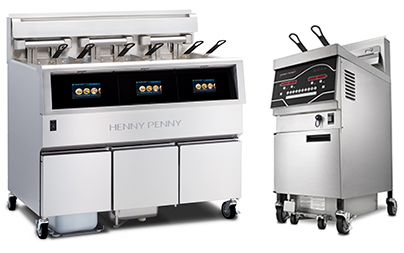
Fryer Systems: Open Fryers & Pressure Fryers
Frying systems are selected based on menu type, volume and the level of consistency required during production.
Open Fryers
Common in many foodservice kitchens, open fryers rely on direct oil contact to cook food quickly and flexibly during service.
Best for: menus with variety, fast cook cycles and flexible frying needs

Pressure Fryers
By cooking in a sealed, pressurized environment, pressure fryers speed up cook times and keep products moist and consistent.
Best for: fried chicken menus and standardized production
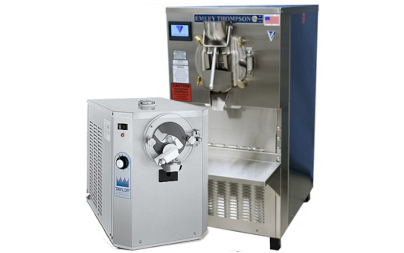
Frozen Dessert Machines: Soft Serve, Custard & Batch Ice Cream
Frozen dessert equipment varies based on how the product is made and served.

Soft Serve Machines
Soft serve machines continuously freeze and dispense product on demand.
Best for: high-speed dessert service with steady output

Frozen Custard Machines
These systems produce a richer, denser dessert with higher fat content, typically used in more premium applications.
Best for: elevated dessert menus
Batch Ice Cream Equipment
Batch systems produce ice cream in controlled cycles, giving full control over ingredients and flavors.
Best for: in-house ice cream production and artisanal concepts
Beverage & Blending Equipment: Frozen Drinks, Milkshakes & Smoothies
Beverage systems are defined by texture and ingredient type.
Milkshake Machines
These systems rapidly blend dairy-based beverages into a consistent, thick texture for fast service
Best for: classic milkshake menus with standardized recipes
Smoothie Machines
Smoothie systems blend fresh or frozen ingredients into customizable drinks with a range of textures.
Best for: health-focused menus and made-to-order blends

Frozen Drink Systems
Frozen drink systems produce and dispense chilled or slushy beverages in continuous or high-volume batches.
Best for: frozen cocktails, slush drinks or high-throughput beverage models
Cooking Systems: Combi Ovens, Conveyor Ovens & Grills
Cooking systems are chosen based on how much heat and speed a kitchen requires during production.

Combi Ovens
Combi ovens combine steam and convection cooking in one unit, giving operators more control over moisture, temperature and cooking methods.
Best for:versatile menus, multi-step cooking and flexibility in one unit
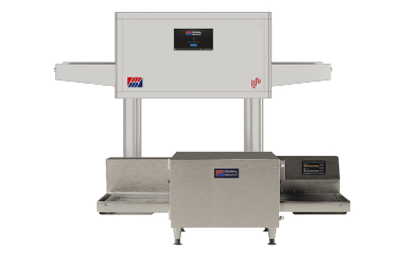
Conveyor Ovens
Conveyor ovens move food through a heated chamber on a belt, delivering consistent results with minimal hands-on operation.
Best for:repeatable items like pizza, sandwiches or baked products

Grills
Grills provide direct, high-heat cooking for proteins, vegetables and core menu items.
Best for:burgers, proteins and menus that require fast, high-heat cooking
Food Holding & Warming Systems

Holding Equipment
Holding equipment keeps food at the right temperature between production and service, helping maintain quality during busy periods.
Best for:banquet service, fast-paced kitchens and batch production environments
Commercial Water & Ice Solutions
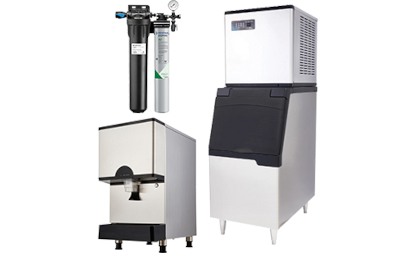
These systems help ensure clean water and steady ice production, while protecting equipment from buildup and performance issues.
Best for:reliable ice output, water quality control
Shop by Industry

Bars & Pubs

C-Stores

Catering

Grocery
Healthcare

Hospitality

Ice Cream Shops
Pizza Shops

Quick Serve

Restaurants

Schools & Universities
New vs Used Equipment for High-Volume Kitchens
When equipment is part of daily production, overall reliability matters more than whether it’s new or pre-owned.
Ideal for operators who want the latest performance, full manufacturer warranties and the most predictable long-term reliability.
A cost-effective option for growing operations. At Kappus Company, each unit is reconditioned and reviewed to ensure it can handle continuous daily use with confidence.
The right decision depends on balancing cost, risk and expected workload.
Maintenance and Service Considerations
Even the best equipment requires ongoing support. When equipment goes down, it impacts the entire kitchen within minutes, affecting revenue, staffing flow and customer experience.
Operators should plan for:
• Equipment selection aligned with actual production demands
• Professional installation and system setup
• Factory-trained technicians for service and repair
• OEM parts to maintain equipment integrity
When issues happen, we act fast—so your kitchen doesn’t miss a beat.
How Kappus Company Supports High-Volume Operations
We support operators with:
• Equipment selection aligned with actual production demands
• Professional installation and system setup
• Factory-trained technicians for service and repair
• OEM parts to maintain equipment integrity
When equipment performs as expected, the kitchen stays in rhythm. And when it doesn’t—we’re there to fix it fast.
FAQs
Your Title Goes Here
Your content goes here. Edit or remove this text inline or in the module Content settings. You can also style every aspect of this content in the module Design settings and even apply custom CSS to this text in the module Advanced settings.
What equipment do most commercial kitchens need?
Most commercial kitchens rely on a combination of cooking, refrigeration, prep and holding equipment. The exact setup depends on menu and volume, but the goal is always efficient, consistent production with minimal downtime and labor savings. Kappus Company helps operators match equipment to actual kitchen demands, not just standard specifications.
Is new or pre-owned equipment better for commercial kitchens?
How do I choose the right commercial kitchen equipment?
What causes the most downtime in commercial kitchens?
How important is equipment maintenance in a commercial kitchen?
Does Kappus Company provide equipment installation and service?
Ready to Build Your Kitchen?
At Kappus, we help operators design kitchens around real-world demands, ensuring equipment selection, layout and support systems work together from day one.
If you’re planning a new kitchen or upgrading your current setup, our team can help you choose equipment that fits your workflow and holds up over time.
How can we help you?
Welcome to Kappus Company! Our team is eager to answer your questions and provide personalized solutions for your business. Please help us understand your needs by completing the form below and we will be in touch as quickly as possible.